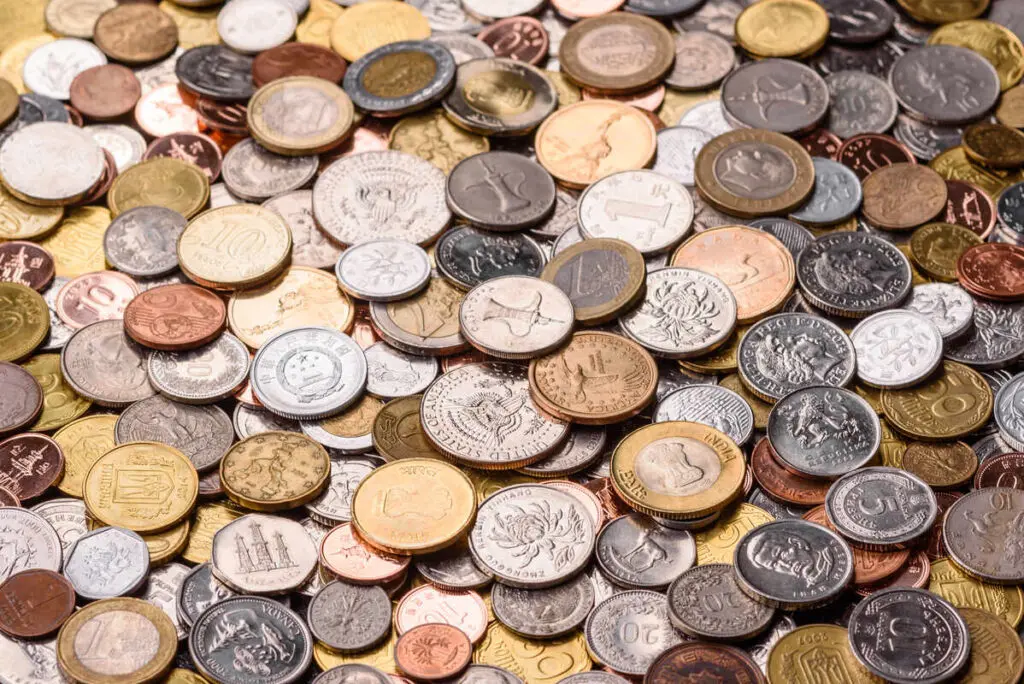
You open the safe, pull out a few boxes, or flip through an album and realize your collection has grown considerably. Some coins were carefully chosen, others caught your attention in the moment, and a few may have come from family.
Each coin may have a reason for being there, but together they can raise a harder question: What am I actually building? For many collectors, that question signals a natural shift from acquiring interesting coins to thinking more intentionally about the collection as a whole.
There is nothing wrong with collecting whatever interests you. Exploring different coins can help you discover the designs, denominations, historical periods, and stories you enjoy most. The U.S. Mint recognizes many legitimate collecting approaches, including denomination, time period, mint mark, design theme, artist, and other characteristics.
Eventually, however, another interesting coin may not feel like enough. You may want to know what you are trying to complete, learn, preserve, or represent through the coins you choose.
That is where direction becomes useful. PCGS has noted that set building can give collectors a goal and help keep acquisitions on track rather than allowing emotion alone to guide buying decisions.
Direction does not mean every coin must fit one rigid plan, and it does not make your earlier purchase mistakes. It simply gives you a clearer way to decide what deserves your attention next.
For one collector, that might mean completing a series by date and mint mark. For another, it could mean building a type set, focusing on a historical era, collecting a favorite denomination, or creating a collection around a personally meaningful theme.
For collectors who care about history and legacy, that focus can give individual coins a stronger connection to one another. It also reflects our emphasis on education, expertise, and helping collectors appreciate the stories and meaning their coins can carry.
If your collection is growing but its purpose is becoming harder to explain, you do not necessarily need more coins. You may simply need a clearer idea of what you want those coins to become together.

Most coin collections begin with accumulation. You buy what interests you, explore different parts of the hobby, and gradually learn which coins keep pulling you back.
The difference appears when you move from asking, “What do I like?” to asking, “What am I trying to build?” Accumulating follows individual interest, while intentional collecting gives those individual coins a larger purpose.
When you are accumulating, the reason for buying a coin may be simple. You like the design, the history interests you, or the piece feels too appealing to pass up.
That freedom can be useful because it exposes you to different denominations, eras, grades, and collecting styles. Over time, those scattered purchases often reveal patterns in what you truly enjoy.
A collection can still be meaningful even if the coins do not share a clear theme. The issue only arises when that lack of structure starts making future buying decisions harder.
An intentional collection has an organizing principle. That might be a series, type set, denomination, historical period, mint, theme, or another objective that matters to you.
Once you choose that direction, each purchase becomes easier to evaluate. A coin may be attractive and fairly priced, but you can still pass on it if it does not move the collection forward.
That does not make collecting rigid. It simply gives you a stronger reason for deciding what belongs.
One simple test is whether you can explain why a coin is part of your collection. “I like it” is a valid answer, but a focused collection often adds another layer, such as, “It fills an important place in my type set” or “It represents the historical period I am studying.”
That added purpose creates a clearer sense of progress. You know what you have, what is missing, and what kinds of coins deserve your attention next.
The coin itself does not become more important because it fits a plan. The plan simply makes its role easier to understand.
A focused collection is not automatically better than an eclectic one. Some collectors genuinely prefer variety and enjoy owning unrelated coins that reflect different interests.
Direction matters only when it helps you enjoy the hobby more, make better decisions, or build something with greater meaning. Our hobbyist collector profile describes the desired shift as moving from a scattered collection toward one that is more curated, authenticated, preserved, and connected to historical and emotional value.
That is the real goal. A collecting direction should give your passion more clarity without taking away the curiosity that made you start collecting in the first place.

A collection does not need a formal plan simply because it has grown. The better signal is what happens when you try to decide what to buy, research, or pursue next.
You may already have a direction without realizing it. Looking at your habits and the coins you value most can help you see whether a clearer focus would improve the way you collect.
You can add several good coins in a year and still feel as though the collection has not moved forward. Each purchase may be worthwhile on its own, but there is no larger goal against which to measure progress.
A direction changes that. Instead of measuring progress by how many coins you added, you can measure it by how well each acquisition contributes to what you are building.
There is a difference between saying, “I collect U.S. coins” and “I’m building a type collection that shows how U.S. silver coinage changed over time.” Both are legitimate, but the second gives the collector clearer boundaries.
Try describing your collection in one or two sentences. If you struggle to explain what connects your coins, that may be a sign that your interests are ready for more definition.
Your existing collection may already be telling you where to go next. Perhaps early U.S. coinage keeps appearing in your purchases, or you consistently spend more time studying Morgan dollars, Civil War-era coins, a certain mint, or coins with exceptional eye appeal.
Look at the coins you research most, show other collectors first, or would be most reluctant to part with. Patterns among those favorites can reveal a collecting direction that has already begun forming naturally.
When almost any interesting coin could belong in your collection, nearly every opportunity competes for the same budget. That can make it harder to distinguish between a coin you genuinely need for your collection and one you simply like in the moment.
A clear focus gives you a useful filter. You can appreciate a good coin without feeling that you need to own it, leaving more room in your budget for pieces that matter to your larger objective.
As your knowledge grows, some earlier purchases may no longer reflect your interests or standards. That does not mean those coins were mistakes because they may have helped you discover what you enjoy and what you would approach differently now.
We recognize this transition from a scattered collection toward one that feels more curated and purposeful. The goal is not to regret where you started, but to use what you have learned to make clearer decisions going forward.
Ask yourself whether you can explain what you are building, identify a few coins you would like to add next, and recognize which opportunities you can comfortably pass on. Then consider whether your favorite coins share a series, denomination, era, design, historical connection, or another common characteristic.
If those questions expose more uncertainty than clarity, your collection may be ready for a direction. The next step is understanding the different ways you can give it one.
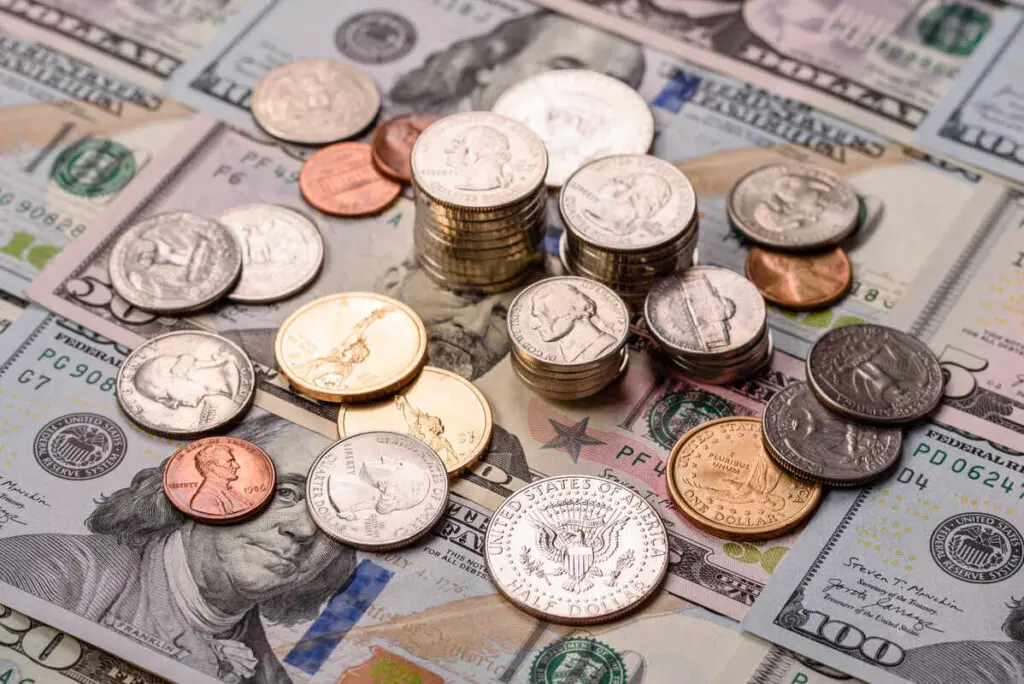
Once you decide your collection could use more direction, the next question is what that direction should be. There is no single correct structure because collectors are drawn to different parts of the hobby for different reasons.
The U.S. Mint recognizes approaches based on denomination, time period, mint mark, design theme, artist, and other characteristics. The best approach is usually the one that gives you enough structure to make clearer decisions without taking away what you enjoy about collecting.
Series collecting focuses on one particular coin design and denomination, often with the goal of acquiring the different dates and mint marks within that series. Examples include Lincoln cents, Buffalo nickels, Mercury dimes, Walking Liberty half dollars, and Morgan dollars.
This approach gives you a visible sense of progress and encourages deeper knowledge of key dates, varieties, grades, and mintages. The challenge is that certain dates or mint marks can be significantly harder or more expensive to acquire, so your definition of completion should fit your budget and goals.
A type set focuses on representative examples of different coin designs rather than every date within one series. NGC describes type collecting as acquiring one example of each major design or metal change within a denomination or broader category.
For example, a U.S. nickel type set might include a Shield nickel, Liberty Head nickel, Buffalo nickel, and Jefferson nickel. Type collecting can work especially well if you enjoy variety and want to explore how American coin designs evolved without pursuing every date and mint mark.
Some collectors build around one denomination across several designs and periods. You might focus on cents, half dollars, silver dollars, or a particular U.S. gold denomination.
This gives the collection a recognizable identity while leaving room to explore different eras and designs. Over time, a denomination-based collection can also develop into a more specialized type set or series collection.
If history is what keeps you interested in coins, a period can become the organizing principle. A collection might center on early federal America, the Civil War, Reconstruction, the Great Depression, World War II, or another period that matters to you.
This approach changes the role of each coin because you are collecting evidence of a particular moment in history. It also aligns naturally with our view that coins can carry stories and historical meaning beyond their metal content.
A theme gives you more freedom to define the collection around a personal interest. Possible themes include Liberty imagery, American military history, animals, transportation, famous coin designers, commemorative events, or subjects connected to your family history.
The U.S. Mint specifically identifies design themes and personal historical interests as possible ways to organize a collection. The key is making the theme specific enough that it actually helps you decide which coins belong.
A date-based collection can take several forms depending on how complete you want it to be. You might collect one coin from every year in a series, pursue every date and mint combination, or build a group around meaningful years such as birth dates, anniversaries, or other family milestones.
You can also focus on a particular mint, such as Carson City, New Orleans, San Francisco, Denver, or Philadelphia. This approach can combine numismatic study with the history and geography behind where the coins were produced.
Completion does not have to be the goal. Some collectors would rather own a smaller number of coins that meet a particular standard for grade, strike, luster, originality, toning, or overall eye appeal.
This approach requires patience because the right coin may not appear when you want it to. It can also help you become more selective, since the question changes from “Do I need this date?” to “Is this the example I actually want in my collection?”
A collection can also be designed to tell a story rather than complete a traditional set. You might trace the evolution of U.S. coinage, explore coins of the American frontier, follow changes in silver coinage, or examine how U.S. money changed during wartime.
In this kind of collection, each coin contributes another piece of the larger narrative. The result can feel less like filling predetermined spaces and more like building a historical exhibit one carefully chosen coin at a time.
You do not need an album, registry, or established collecting category to give your collection a purpose. Your objective might be one historically meaningful U.S. coin from each decade, coins connected to places where your family has lived, or a carefully selected group you hope to pass to your children or grandchildren.
What matters is whether the objective helps you make better collecting decisions and gives the coins a meaningful connection. Your collection should reflect what keeps you interested enough to research, wait for the right pieces, and enjoy what you are building over time.

Once you understand the different ways to organize a coin collection, the challenge becomes choosing one that fits you. The best direction depends less on what other collectors pursue and more on what keeps you interested, what your budget can support, and how you want to experience the hobby.
You also do not have to make a permanent choice. Your collection can become more specialized as your knowledge grows, so the goal at this stage is to choose a direction that makes your next decisions clearer.
Series collecting works well if you like having defined spaces to fill and being able to measure progress. Each new date or mint mark brings you closer to a recognizable objective, while researching the series helps you understand its key dates, varieties, and condition challenges.
The tradeoff is that some sets become considerably harder as you approach completion. Before committing to a series, it helps to research the difficult dates and decide what level of completeness and quality makes sense for your budget.
A type set gives you room to experience different designs and periods without acquiring every date in each series. Instead, you select representative examples that show how a denomination or broader area of coinage changed over time.
This can be a strong fit if your collection already contains coins from several series and you do not want to narrow your interests too far. You still gain a clear objective, but variety remains part of the collection’s identity.
Some collectors remember the historical story behind a coin more readily than its mintage or grade. If you regularly find yourself researching what was happening when a coin circulated, an era-based collection may fit the way you naturally approach the hobby.
The main decision is where to set the boundaries. A broad interest such as “early American coins” becomes more useful once you define the period, events, denominations, or historical connections you want the collection to represent.
A themed collection can connect coins through an idea rather than a traditional numismatic structure. That theme might involve Liberty designs, military history, a particular engraver, family milestones, regional history, or another subject with personal significance.
The strongest themes provide enough flexibility to keep collecting interesting while still giving you a reason to pass on unrelated coins. If almost anything can fit the theme, narrowing the definition can make it more useful.
Some collectors get more satisfaction from finding one exceptional example than from filling several empty spaces. If strike, originality, luster, toning, grade, or overall eye appeal consistently influence your decisions, quality itself can become part of your collecting direction.
This approach rewards patience because the right coin may take time to find. It also encourages you to decide what quality means to you instead of automatically assuming that the highest available grade is always the best choice.
There is no universally best way to build a coin collection. A strong direction is one you can realistically pursue while continuing to enjoy the research, history, and search for the right coins.
We emphasize the desire to refine a collection while maintaining its historical and emotional value. That makes the most useful question less about which collecting style is considered more impressive and more about which one helps you build something you will still care about years from now.

Once you decide to give your collection more direction, your first move does not need to be another purchase. Start by looking carefully at what you already own because your existing coins can reveal patterns in your interests, priorities, and collecting habits.
This review also gives you a clearer picture of what belongs in your future collection and what may simply represent an earlier stage of the hobby. We specifically identifies the desire to move from scattered holdings toward a more curated, authenticated, and well-preserved collection.
Create a basic record of your coins, including denomination, date, mint mark, grade, certification when applicable, purchase price if known, and any other information that matters to you. You can also record why you bought each coin and whether you would make the same purchase today.
An inventory makes patterns easier to see and gives you a practical record for future research, appraisals, or collection planning. It can also show where you have duplicates, gaps, or concentrations that were less obvious when the coins were stored separately.
Not every important coin needs to be rare or expensive. An inherited coin, a piece connected to a family milestone, or the first coin you purchased as a serious collector may deserve a permanent place even if it does not fit your new collecting objective.
Keeping that distinction clear prevents organization from becoming purely about price. Our values recognize that coins can carry memories, stories, and future significance in addition to their financial or numismatic value.
Once you have an inventory, look for clusters. You may discover that you own more silver dollars than anything else, repeatedly choose coins from one historical period, favor a certain mint, or consistently pay more attention to coins with strong eye appeal.
These patterns can point toward a direction that has already been developing naturally. Instead of choosing a collecting strategy from scratch, you may simply need to recognize the interests your previous purchases have been revealing.
Choose five or ten coins you would be most reluctant to remove from your collection. Then ask what those coins have in common, whether that connection involves history, design, denomination, rarity, condition, personal meaning, or something else.
This exercise can tell you more than looking only at the most valuable pieces you own. Your favorite coins often reveal what actually keeps you interested, and that is a useful foundation for deciding what your collection should become next.

Giving your collection direction should make collecting clearer and more enjoyable. Problems usually arise when the new plan becomes too restrictive, too ambitious, or disconnected from what you actually enjoy.
A popular series or impressive registry set may appeal to other collectors without being right for you. If the history, designs, or challenge do not hold your interest, completing the set can eventually feel more like an obligation than a hobby.
Choose a direction based on the coins you consistently enjoy researching and owning. Your collection does not need to impress another collector to have purpose.
A goal such as “collect historic U.S. coins” provides some direction, but almost any older American coin could still qualify. When the boundaries remain too broad, you may end up facing the same buying decisions that made the collection feel scattered in the first place.
Narrowing the objective can help. A broad interest in American history, for example, could become a collection centered on Civil War-era coinage or another clearly defined period.
Once collectors define a set, empty spaces can create pressure to fill them. That urgency can lead you to accept a coin with a weaker grade, questionable eye appeal, or a price you would normally reject.
A missing coin is not an emergency. Our philosophy emphasizes patient, informed decisions without pressure, which applies naturally to building a collection as well.
A more expensive coin is not automatically a better fit for your collection. Historical significance, condition, rarity, eye appeal, and personal meaning can matter differently depending on what you are trying to build.
This distinction becomes especially important for collectors concerned about authenticity and overpaying, both of which appear among P&F Coin’s hobbyist collector concerns. Understanding the coin and why it belongs should come before assuming price determines its importance.
Your interests can change as your knowledge grows. A collector who begins with Morgan dollars may eventually become more interested in early U.S. silver, type collecting, or a particular historical period.
Changing direction does not mean the original collection failed. A good collecting plan gives you focus today while leaving enough room for your interests to develop tomorrow.
A growing coin collection does not always need more coins. Sometimes it needs a clearer reason behind the coins you choose next. That direction might come from a series, a type set, a historical era, a favorite denomination, a theme, or a personal objective that only makes sense to you.
The goal is not to make your collection more rigid. It is to make your decisions more intentional, so you can spend more time researching the coins that matter, recognize which opportunities fit, and feel a stronger sense of progress as the collection develops.
Your current collection can help point the way. Look at the coins you care about most, the ones you research repeatedly, and the ones you would be most reluctant to part with. Those patterns often reveal more about your collecting direction than any checklist or album ever could.
We approach collecting with the same emphasis on education, patience, expertise, and legacy. If you want help understanding what you own, identifying the strongest patterns in your collection, or thinking through what direction may make sense next, you can visit P&F Coin Company at 561 1st St N, Alabaster, AL 35007.
Bring the collection you have, along with the questions you are still trying to answer. The goal is not to pressure you into changing it, but to help you see more clearly what you are building and where you may want to take it next.