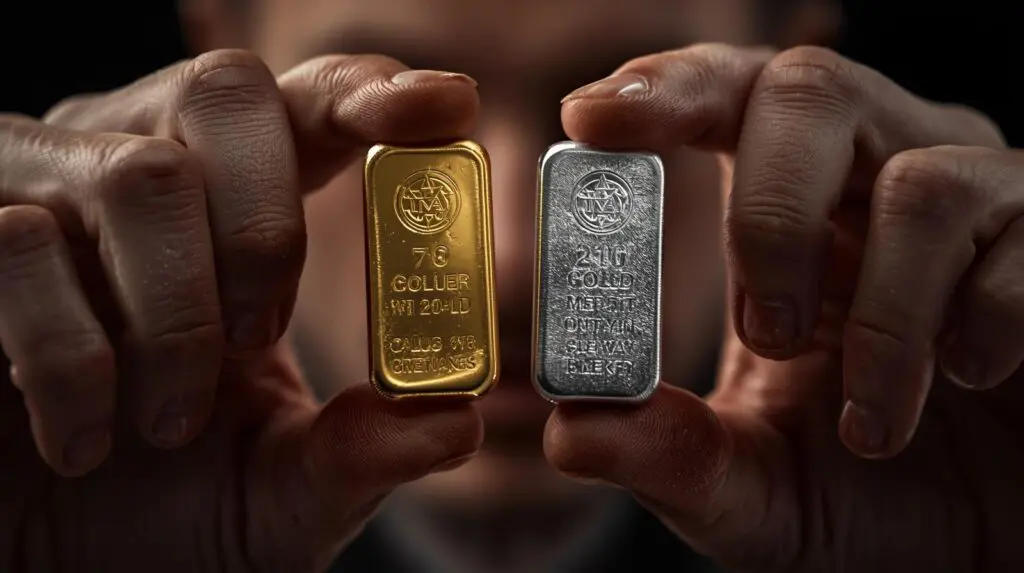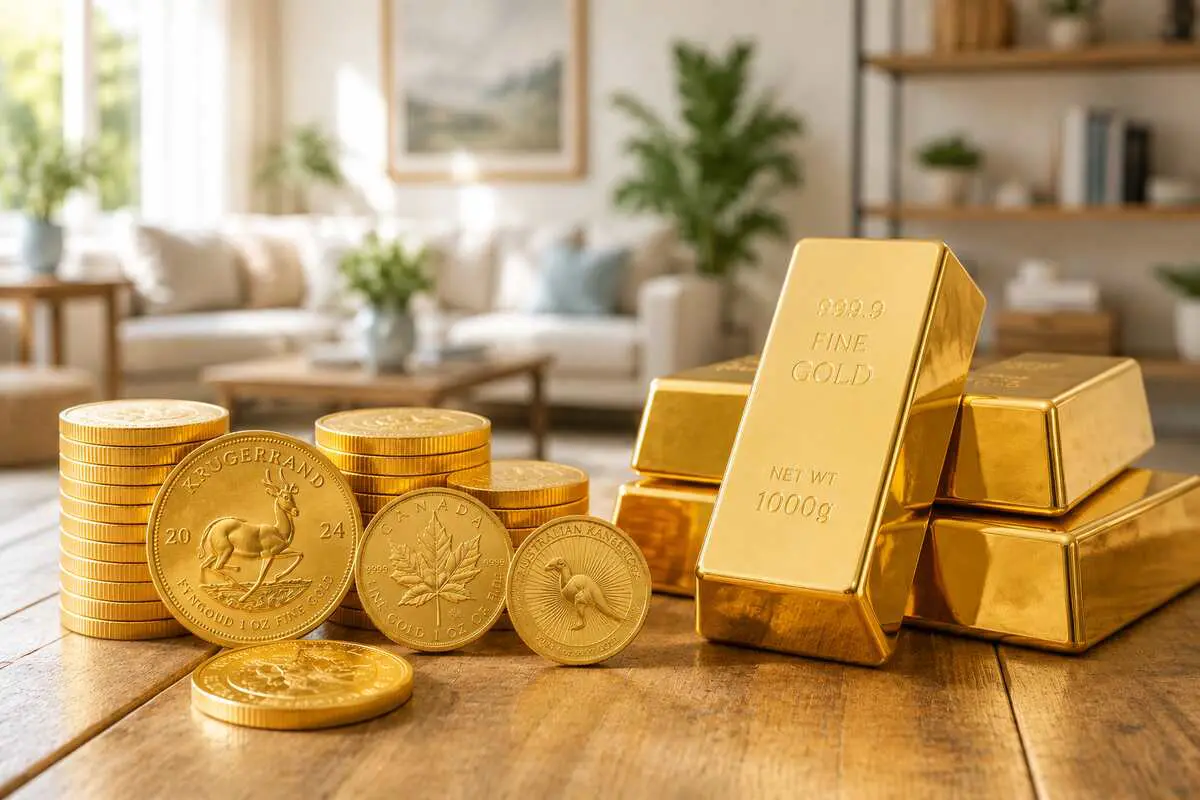
When comparing gold vs silver, beginners often want to know which precious metal offers better long-term value, affordability, and protection against inflation. The truth is that both metals can play an important role in a precious metals strategy, but the right choice depends on your budget, goals, and comfort with market volatility.
For many beginners, silver is the easier starting point because it’s more affordable and allows investors to buy physical precious metals with a smaller budget. Gold, however, is often viewed as a more stable long-term store of value.
If you’ve ever found yourself staring at gold and silver prices online, scrolling through forums, or wondering whether you’re about to make a mistake, you’re not alone. That hesitation makes sense. You’re about to spend real money on something tangible, and in a world full of digital assets and unpredictable markets, many investors want something they can actually hold and control.
At P & F Coin, we’ve worked with hundreds of first-time buyers, young professionals just starting to diversify, parents thinking long-term, and retirees looking for more stability. And almost every one of them has asked:
“Should I start with gold or silver?”
The truth is, there’s no single answer that fits everyone. But there is a smart, calm, and well-informed way to decide and that’s what this guide is here to help you do.
We’ll walk through:
This is not a sales pitch. It’s a walkthrough. No pressure. No hype. Just a clear, human explanation that helps you start your precious metals journey with confidence. Take a breath, you’re in the right place.
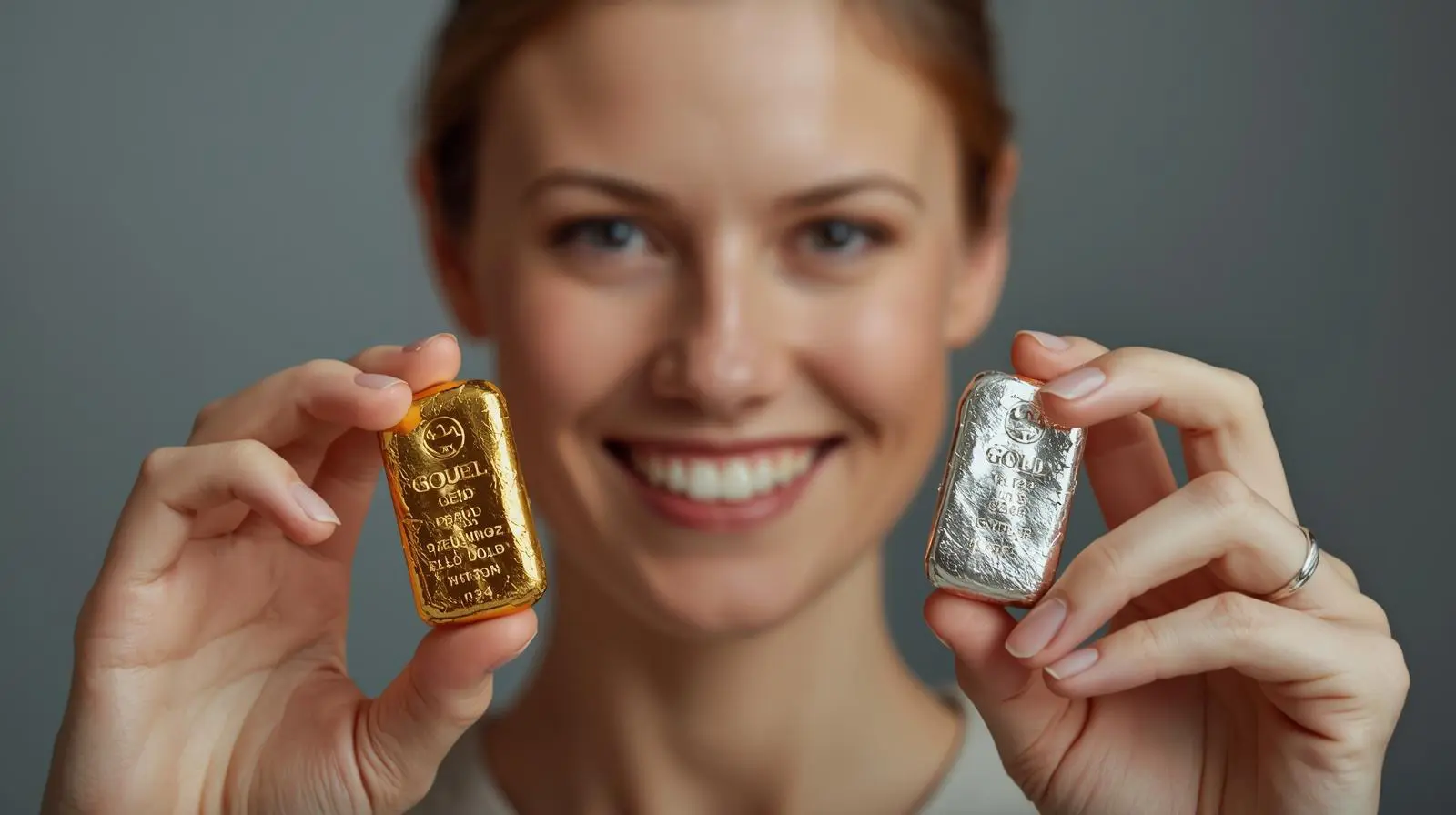
What you need to know before you buy your first ounce
When you’re just getting started with precious metals, one of the hardest parts is feeling like you have to make the “perfect” first choice. Gold feels elite and expensive. Silver feels approachable but is it smart?
Let’s pause and reframe: You’re not choosing a life partner. You’re choosing a starting point.
This section breaks down the core differences between gold and silver so you can make that choice with confidence, not pressure.
| Feature | Gold | Silver |
| Price per ounce (Aug ’25) | ~$2,000 USD | ~$25 USD |
| Volatility | Lower – more stable in uncertain markets | Higher – bigger potential swings (both ways) |
| Use Cases | Primarily investment, wealth preservation | Investment + heavy industrial demand (solar, tech) |
| Storage | Compact – easier to store significant value | Bulky – requires more space per dollar stored |
| Liquidity | Extremely liquid worldwide | Liquid, though sometimes more effort to sell in bulk |
| Emotional Role | Legacy asset, safe-haven | Learning asset, growth vehicle |
| Budget | In Gold | In Silver |
| $100 | 1/20 oz fractional coin or bar | ~3–4 silver coins or ~4 oz of bullion |
| $500 | ~1/4 oz gold coin or bar | ~20 oz of silver or a small starter stack |
| $2,000 | ~1 oz gold coin (e.g., American Gold Eagle) | ~75–80 oz of silver – good for stacking |
| $5,000+ | 2–3 oz of gold or portfolio of smaller coins | ~200+ oz of silver – requires space and strategy |
Note: Prices shift daily check live market prices before purchasing.
Understanding who tends to buy each metal and why can help you see where you fit in this landscape.
Silver Buyers Tend to Be:
If you’re just starting out, silver is often your best teacher. You get more for less. You can touch it, watch it grow, and better understand how metals behave without the pressure of a four-figure purchase. Silver gives you reps.
Gold Buyers Tend to Be:
Gold isn’t about getting in cheap. It’s about getting it right, especially for those who want to preserve wealth without babysitting it. It stores large amounts of value in a small, respected format. You don’t need many pieces to make a big impact.
Your decision isn’t just about dollars and cents. It’s about how you think, what you value, and what stage of life you’re in. If you’re in a growth phase, you might be building your financial foundation, starting a family, or simply becoming more intentional about your future. You’re curious, cautious, and want to make smart decisions without feeling overwhelmed.
If you’re in a preservation phase, you’ve spent decades earning and saving. Now, the focus is on protecting that value, keeping things simple, and thinking about the legacy you’ll leave behind. You’re not looking for risk, you’re looking for reassurance.
Gold offers long-term stability and trusted value. It’s compact, globally respected, and easy to store or pass on. For many investors in this stage, gold provides peace of mind. Most experienced investors eventually own both metals. You don’t need to choose your forever favorite. You need to choose your first step, the one that matches your comfort, your goals, and your timeline.
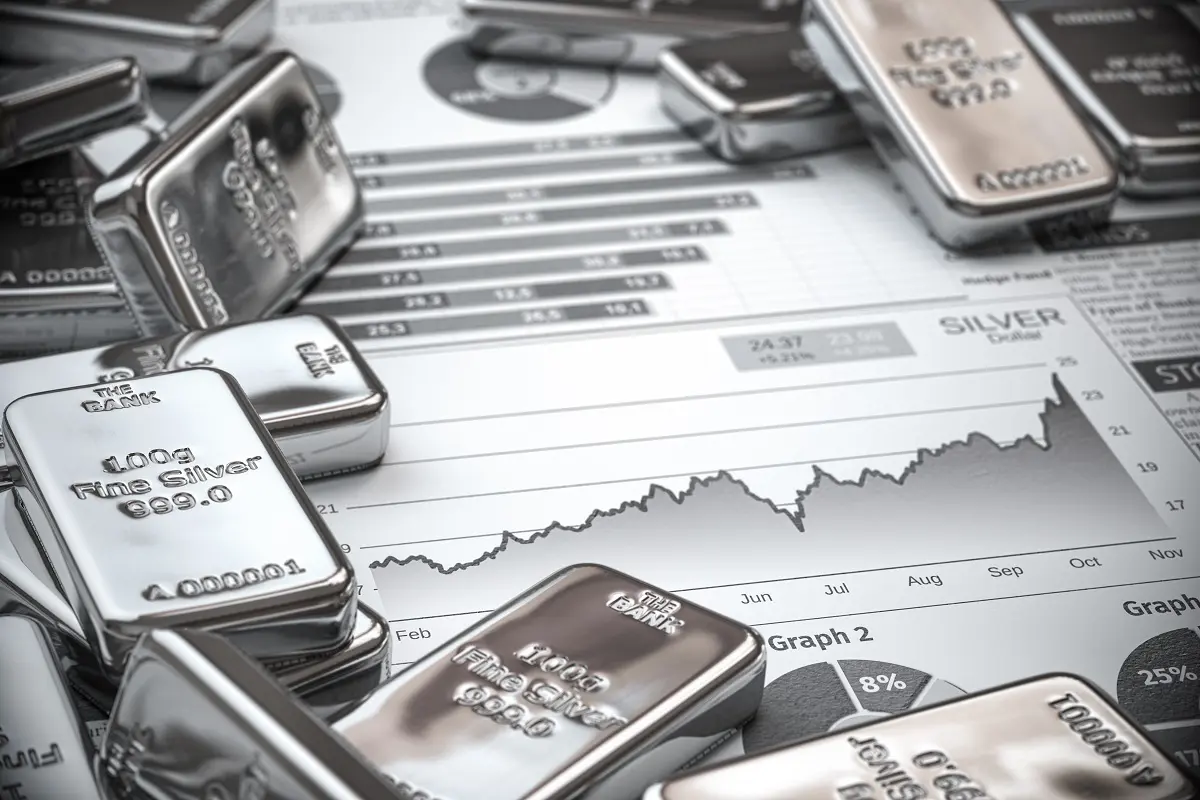
If you’re new to precious metals, silver offers something that few other assets can: a smart, affordable entry point into the world of real value. It’s flexible, widely available, and doesn’t require you to overextend your budget just to get started.
Let’s be direct: silver is cheaper than gold. A lot cheaper. As of August 2025, you could buy:
That price gap means first-time investors can buy more ounces of silver with the same money and begin to build a physical portfolio, piece by piece. For someone just learning the ropes, that tactile visibility makes a huge difference. Silver gives you something you can see, hold, and grow.
One thing that makes silver unique is how much of it is used outside investing. It’s not just a precious metal. It’s an industrial powerhouse essential to modern technology and innovation.
As demand for these industries grows, so does silver’s long-term relevance. While gold is hoarded and stored, silver is used up which limits supply and supports its value over time.
Silver isn’t just affordable, it’s active. While gold may offer a slower, steadier rise, silver has periods of rapid growth that capture investor attention.
That volatility can be intimidating, but for new investors with a small portfolio, it can also be exciting. Every dip is a buying opportunity. Every climb, a confidence boost.
Silver is a learning metal. It gives you space to test the waters, understand market behavior, and even resell pieces to see how liquidity works without the pressure of a multi-thousand-dollar commitment.
That makes it ideal for:
Silver lets you be hands-on without being over-leveraged. It’s how many of our clients at P & F Coin start and how they grow into confident, diversified investors.
| Budget | What You Can Buy in Silver |
| $500 | ~20 oz of silver or a starter stack of coins |
| $1,000 | ~40 oz of silver, bars or coins |
| Bonus | Spread your buys monthly to average the price |
Whether you want to hold it, store it, or eventually pass it down, silver offers you a path that’s clear, flexible, and grounded in real value.
Gold isn’t just a metal. It’s a message that’s been trusted across cultures, centuries, and economies. While silver is often seen as the “starter metal,” gold is the standard. It offers long-term reliability, compact wealth storage, and the kind of quiet confidence that comes from knowing your investment won’t vanish overnight.
If you’re looking for security, legacy, or simplicity, gold might be where your journey begins.
When markets panic, wars erupt, or currencies wobble, what do people run to? Gold. Always gold.
Unlike stocks, crypto, or even real estate, gold is:
Governments and central banks stockpile gold for a reason: it’s trusted. And in times of uncertainty, that trust becomes gold’s real currency. Gold isn’t speculative. It’s fundamental.
One of gold’s most unique traits is how much value it holds in such a small space. Just one ounce can be worth $2,000+ and can fit in the palm of your hand.
For investors looking to:
…gold is unmatched. Whether you store it in a safe at home or in a secure vault, gold makes long-term value management simple.
Gold doesn’t spike like silver. It doesn’t dip like crypto. And that’s why it appeals to people who aren’t trying to “time the market” they’re trying to protect what they’ve earned.
“Depending on where you are in life, whether you’re just starting to build financial security or looking to protect the wealth you’ve earned, your needs will naturally point toward either silver or gold.”
There’s something deeply reassuring about gold. It doesn’t require constant tracking. It doesn’t live in an app or a screen. It’s real, it’s rare, and it’s reassuringly boring in the best possible way.
For many P & F Coin clients, that’s exactly what they’re looking for:
“I worked for decades. I’m not looking to gamble, I’m looking to preserve.”
| Budget | What You Can Buy in Gold |
| $2,000 | 1 oz gold coin (e.g., American Gold Eagle, Maple Leaf) |
| $5,000 | 2–3 oz in full coins or fractional coins + storage solution |
| $10,000+ | Small diversified gold portfolio with flexibility and liquidity |
Gold isn’t for flipping. It’s for fortifying. And when chosen intentionally, it becomes a core asset, something you hold not just for you, but for the next generation.
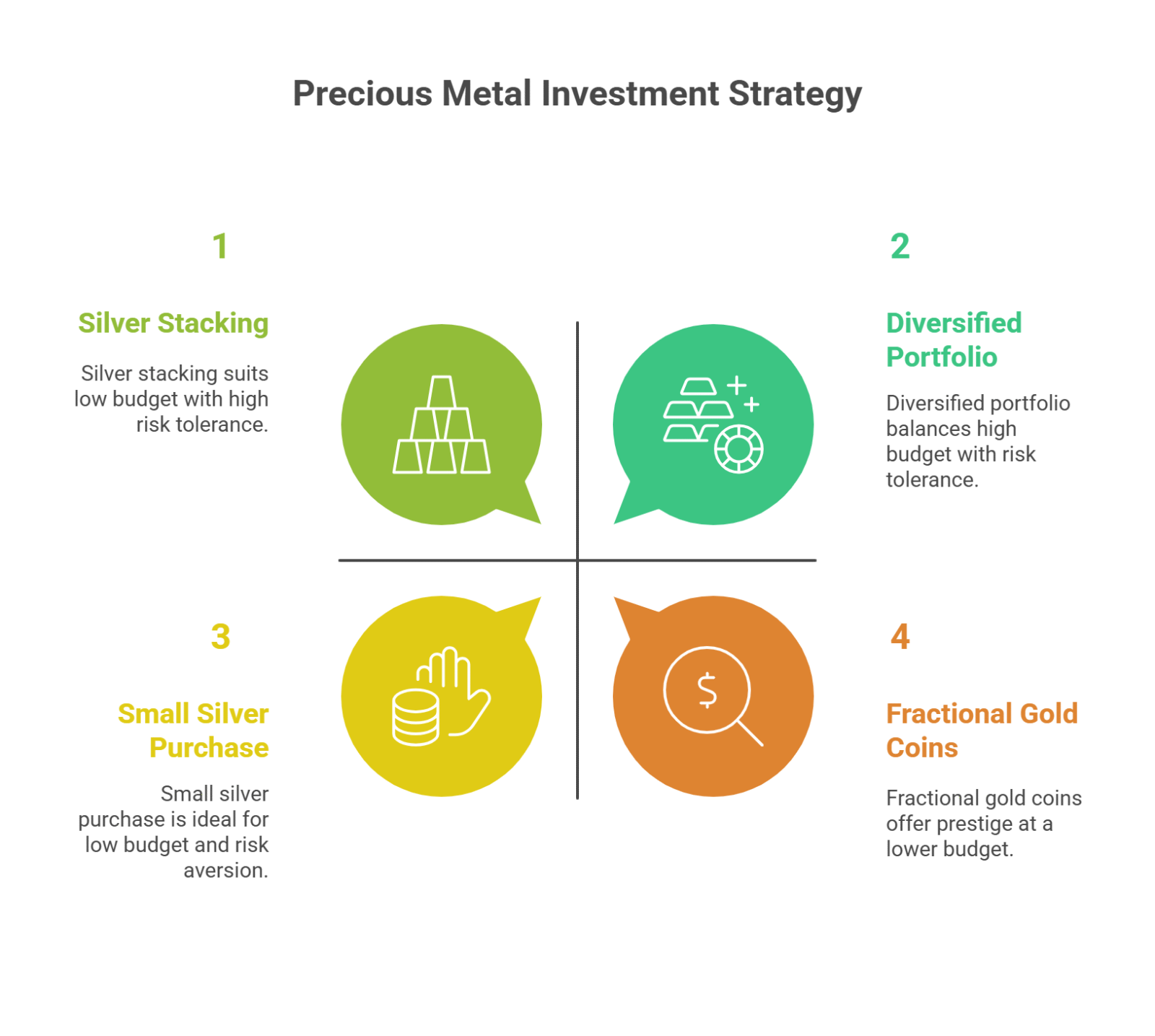
Let your investment goals, not the market noise, lead the way. By now, you’ve learned that gold and silver both have value, but in different ways. You might be leaning toward one or the other or still feel unsure.
That’s completely normal. Choosing your first precious metal isn’t just about price points or trends. It’s about your goals, your risk tolerance, your stage of life, and how you want to start building tangible value. So instead of thinking in terms of “better,” let’s think in terms of fit. Here’s how to figure out which metal belongs in your hands first.
Your available budget plays a big role in what makes sense to buy first. Here’s a practical guide:
Silver and gold behave differently in the market.
What you want out of your investment should guide what you put into it.
Let’s get honest: this choice isn’t just financial. It’s emotional. Here’s how that plays out:
You just have to start. If you’re still unsure, begin with a small silver purchase. Watch how it feels. Learn how pricing works. Store it, hold it, maybe even sell a piece back. Then when you’re ready you’ll be able to add gold with confidence, clarity, and experience. And that’s what it’s really about: owning something real, with purpose.
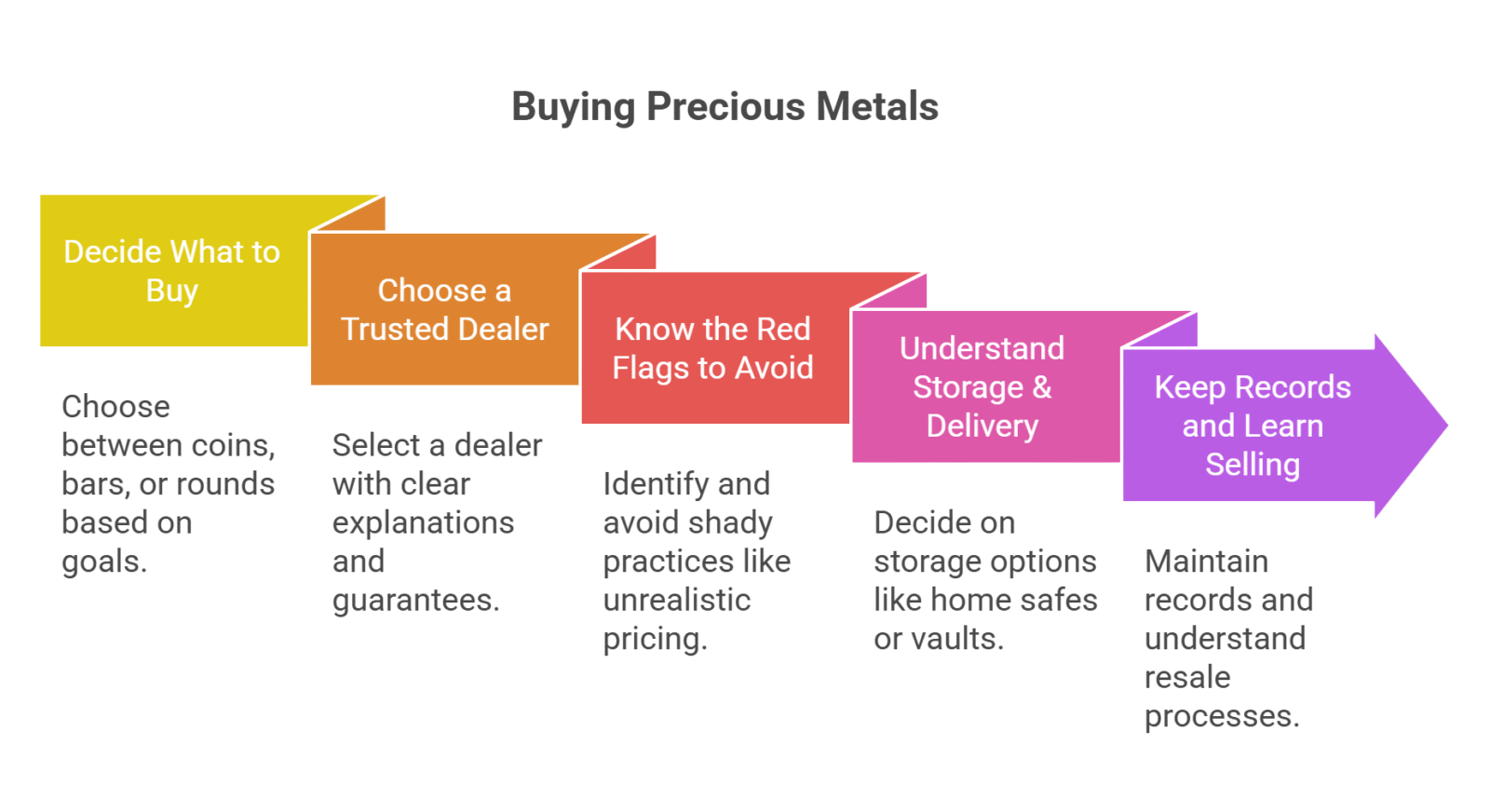
What to know, what to avoid, and how to buy with confidence. You’ve made your choice or at least narrowed it down. That alone puts you ahead of most people who endlessly research but never act. Now it’s time to take the next step: actually buying your first piece of gold or silver. Don’t worry. It’s simpler than you think, especially when you work with someone who sees you as a learner, not just a buyer.
There’s no “best” format, but there is a best fit for your goals.
If you’re starting small or want easy resale, coins are the most beginner-friendly choice.
This step matters more than any market chart.
A trustworthy dealer will:
At P & F Coin, we specialize in working with first-time buyers explaining every step and offering real human guidance. Whether you’re investing $200 or $20,000, our approach stays the same: education first, always.
Unfortunately, the world of precious metals has its share of shady operators. Watch out for:
You’re not just buying metal. You’re trusting someone to protect your money and deliver something real. That trust has to be earned.
Once you purchase, you need a safe place to store your metals. Options include:
For most first-time buyers, starting with home storage is perfectly fine just be smart and private about it.
Even if you’re not planning to sell anytime soon, it’s smart to:
We’ll cover taxes and resale tips in a later section, but remember: the easier it is to verify and document your metals, the easier it is to trade them when the time comes.
Owning precious metals is just the beginning. Here’s how to protect, grow, and manage what you’ve started.
Buying your first gold or silver piece is exciting; most people never take that step. But once you do, the question becomes:
“Now what?”
This section will walk you through the essentials of post-purchase care: where to store your metals, whether you need insurance, what to understand about taxes, and how to grow your portfolio intentionally over time.
Where you store your metals depends on your comfort level, budget, and long-term goals. You’ve got a few solid options:
At Home (Self-Storage)
Bank Safety Deposit Boxes
Secure Vault Storage (Dealer or 3rd Party)
Tip: Start small at home. As your stack grows, consider upgrading to more secure storage.
It depends on your storage method and comfort with risk.
Precious metals are real, tangible assets and they deserve the same protection you’d give to cash, collectibles, or important documents.
Taxes on precious metals vary depending on:
In the U.S., gold and silver are considered collectibles by the IRS. If you sell and profit, your gains may be subject to capital gains tax, often up to 28%.
You won’t pay taxes just for buying or holding, but when it comes time to sell, you’ll want to:
P & F Coin provides digital and paper receipts with every purchase to help you stay organized from the start.
You don’t need to make one big purchase and forget it. In fact, many of our most successful clients at P & F Coin start small and build a strategy over time.
Here’s how:
Real wealth preservation is about balance, patience, and being proactive not reactive.
Owning precious metals means taking responsibility for your own value. That’s powerful but it doesn’t mean you have to figure it all out alone.
At P & F Coin, we’re here not just to sell, but to guide. Whether you need:
…you can always reach out. Because for us, trust doesn’t end after the purchase. That’s where it begins.
For many first-time precious metals investors, silver becomes the natural starting point. It offers a lower barrier to entry, practical flexibility, and strong industrial demand that keeps it relevant across different market conditions.
Gold tends to serve a different role. Investors often view it as a long-term foundation because of its stability, portability, and decades of global trust as a store of value.
The important thing is that your decision should be guided by your goals, not market noise or pressure to buy a certain product. Some investors begin with silver because it feels more accessible. Others prefer the long-term stability associated with gold. Many eventually choose to hold both.
Your first purchase does not need to be perfect, and it does not need to define your entire strategy. What matters most is starting with an approach you understand and feel comfortable with.
If you are still deciding where to begin, talking with an experienced precious metals professional can make the process much easier.
At P & F Coin, the focus is on education and clarity, not pressure. Whether you are comparing silver bars and coins, exploring gold for the first time, or building a longer-term strategy, the goal is to help you understand your options and make decisions with confidence.
When you are ready, the next step is simple: have a conversation, ask questions, and explore what fits your budget and investment goals best. Contact us to answer your question or to get your consultation. Or if you’re ready to browse, explore our curated collections of beginner-friendly silver and gold coins. Because this isn’t just about stacking metals. It’s about building something real with clarity, confidence, and care.